Gardens that work
Technical remote garden design based on soil & climate analysis
Who I am & how I work
Why many gardens fail?
Many gardens are designed primarily for visual impact. Soil conditions, climate exposure and long term maintenance are often treated as secondary factors.
The result is predictable: gardens that look good at first, but struggle, decline or become expensive to maintain over time.
My background
I am a trained forestry technitian who later moved into landscape design.
Working in both fields allowed me to see a recurring problem: plant selection, soil composition, drainage and climate adaptation are frequently underestimated


A garden is not just a composition of plants. It is a living system shaped by soil structure, water movement, exposure and long term growth patterns.
My approach
My work sits between forestry analysis and landscape design.
I consider aesthetics important but never as the only objective.
A garden must be adapted to its real environmental conditions and to realistic expectations of the client.
I do not design trends
I design systems that work
What I'll do?
1
Understanding your needs
You tell me your desires, challenges, and priorities.
2
Realistic site analysis
I analize your land: soil and climate, sun exposure, and select the plants that will thrive.
3
Your customized plan
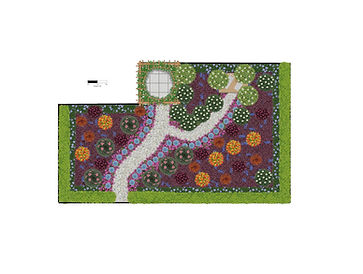
I provide you a detailed, easy to follow document with your ideal garden plan, including planting schedule and simple execution lines.
What's included in your project
Site & environmental analysis
Climate analysis (temperature, rainfall,exposure...)
Soil composition and drainage analysis
Existing inconveniences and limitations
Garden layout & execution plan
Planting calendar
Maintenance calendar
Visual and easy to follow execution plan
Plant & material selection
Species adapted to real conditions
Adequate substrates
Seasonal colour & interest calendar
Final delivery
Detailed pdf document View examples
Visual plan included
Designed for non-professionals
Remote guidance during the first year